What needs to happen?
An equipment name is a useful start. Intended use, handling preferences and the space it will occupy give us a clearer picture of what to discuss.
Before discussing an instrument or a device, we ask what your team needs to do with it. The clinical setting, the person using it and the work around it all belong in the conversation.
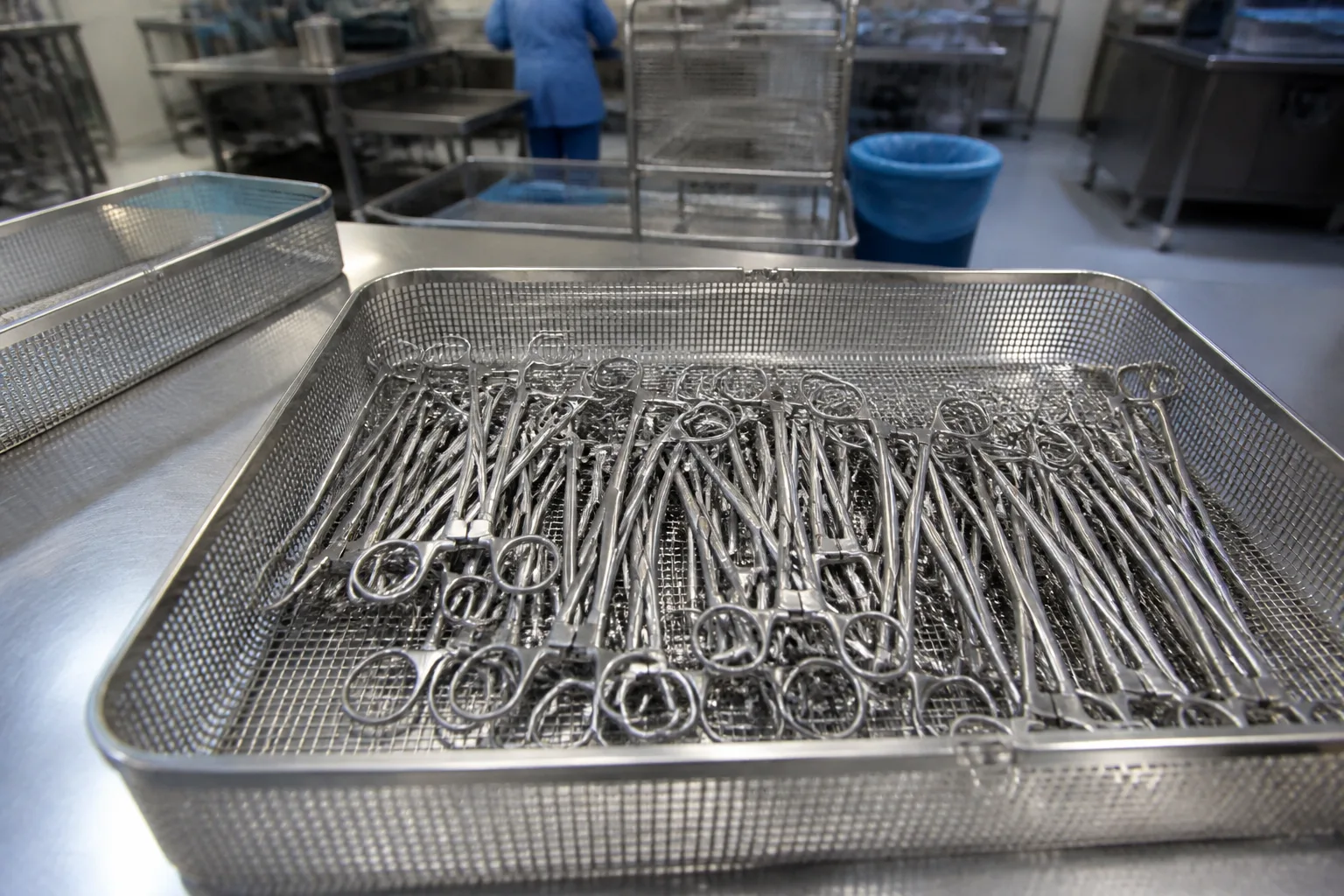
An equipment name is a useful start. Intended use, handling preferences and the space it will occupy give us a clearer picture of what to discuss.
We consider how equipment fits the people and routines around it, from examination and assessment to cleaning, storage and ongoing supply.
Our conversations move from the task itself to the practical details that shape a suitable equipment choice.
Tell us the procedure, examination or assessment the equipment needs to support. If you already have a particular instrument in mind, begin there.
Input → use / functionA treatment room, assessment area and shared practice space place different demands on equipment. We ask where and how it will be used.
Input → setting / space 03 / Daily handling
Handling, cleaning and storage are part of an instrument’s working life. Those details can matter as much as the specification on paper.
Input → handling / workflowWith the requirement clearer, we can talk through suitable equipment and the quantities or replenishment needs relevant to your team.
Output → options to discussThe point is not to make a simple request complicated. It is to keep an important detail from being overlooked.
A clear description of the task gives a more useful starting point than a catalogue category alone.
How a tool feels in use and moves through a team’s cleaning workflow belongs in the discussion.
Storage and frequency of use help frame supply for a busy clinical space.
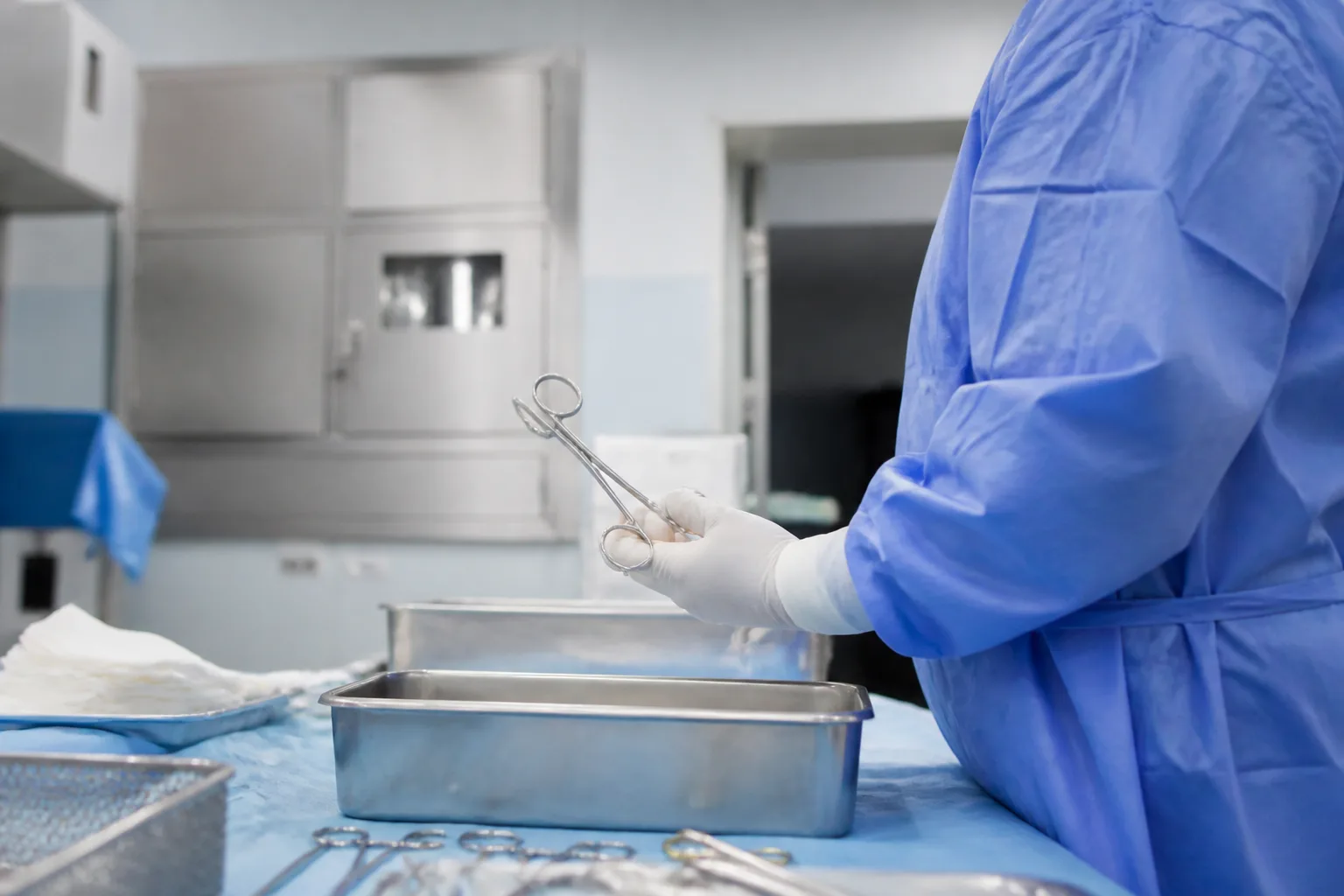 person, the task and the
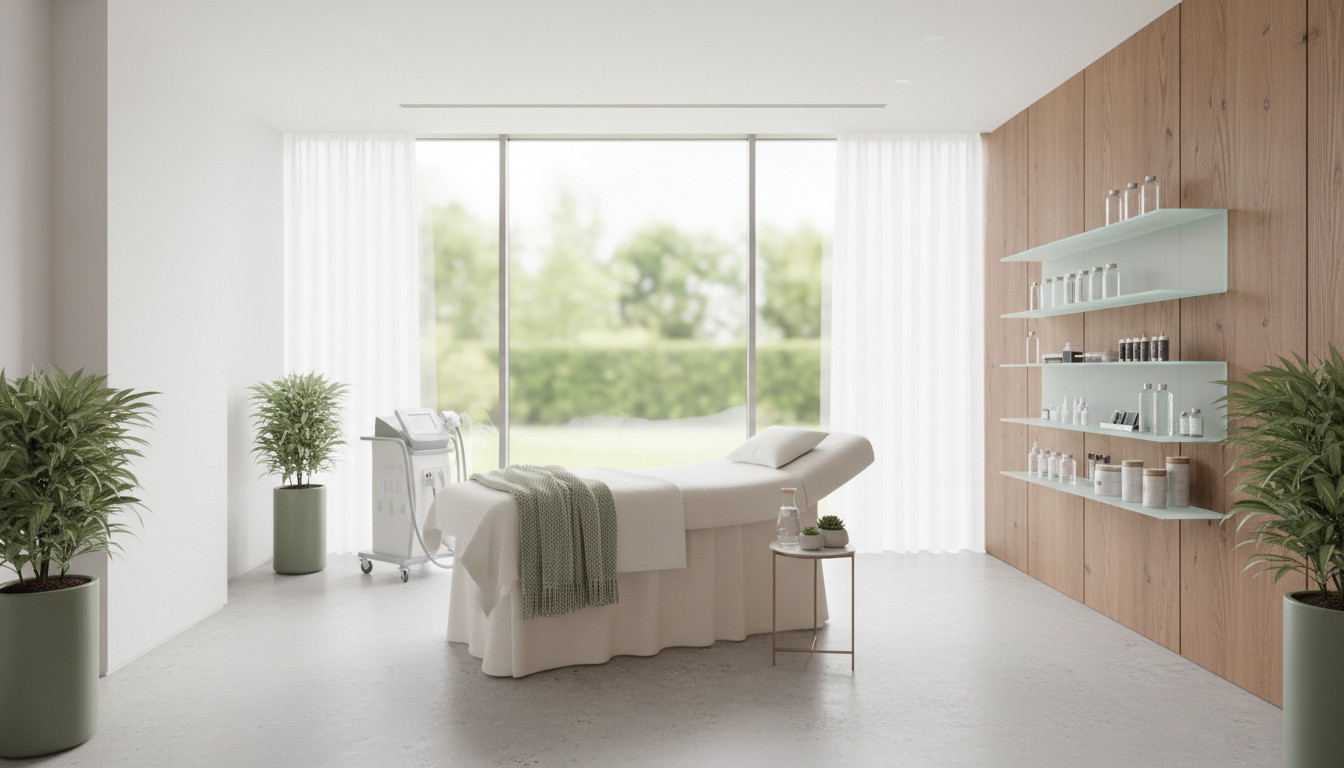 space around it.
That is why our approach begins with questions, not a predetermined list of products.
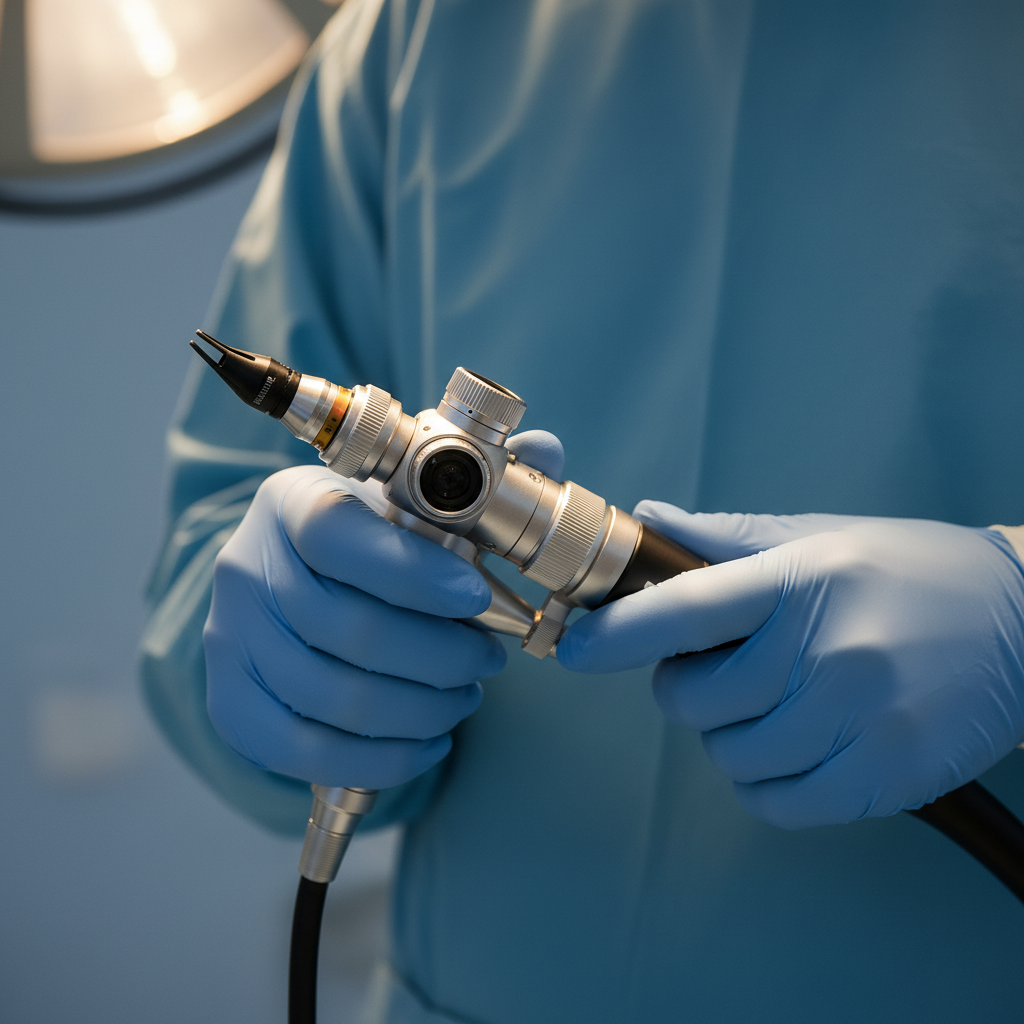
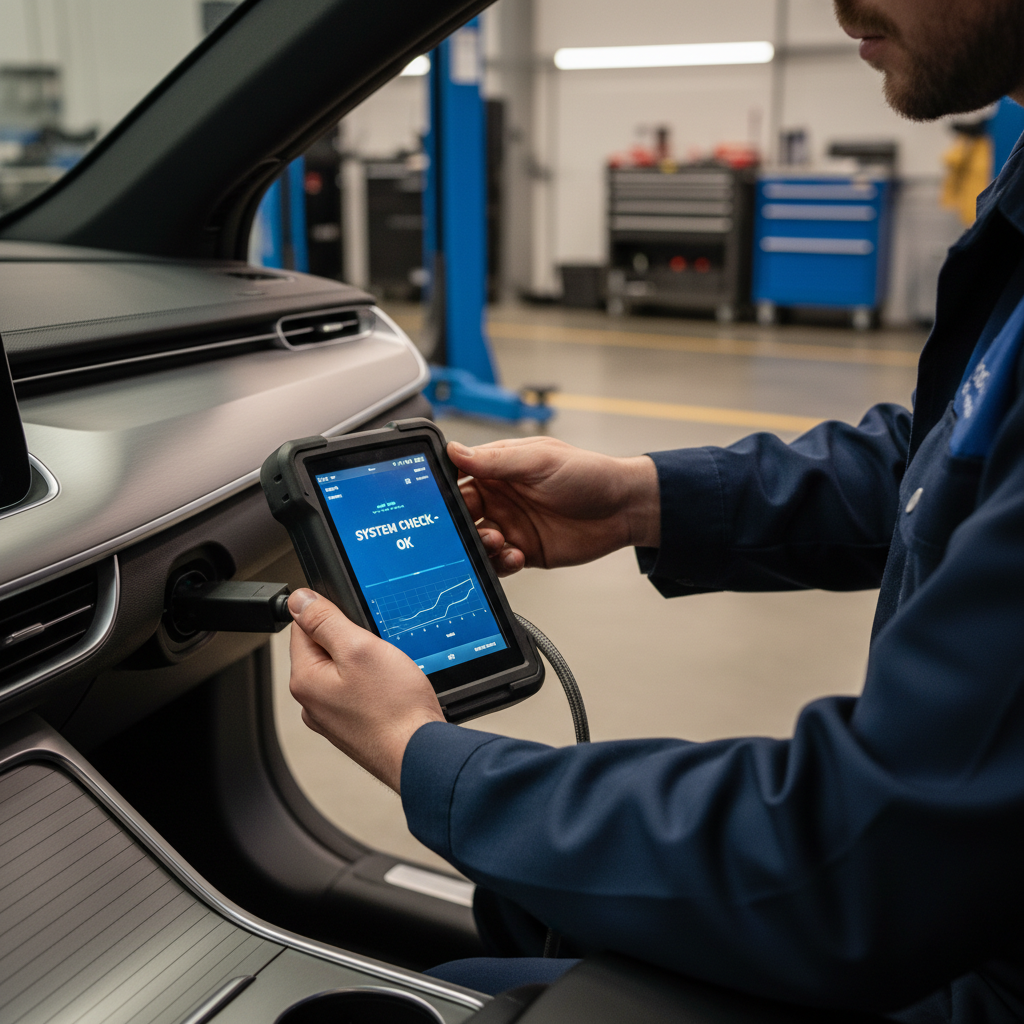
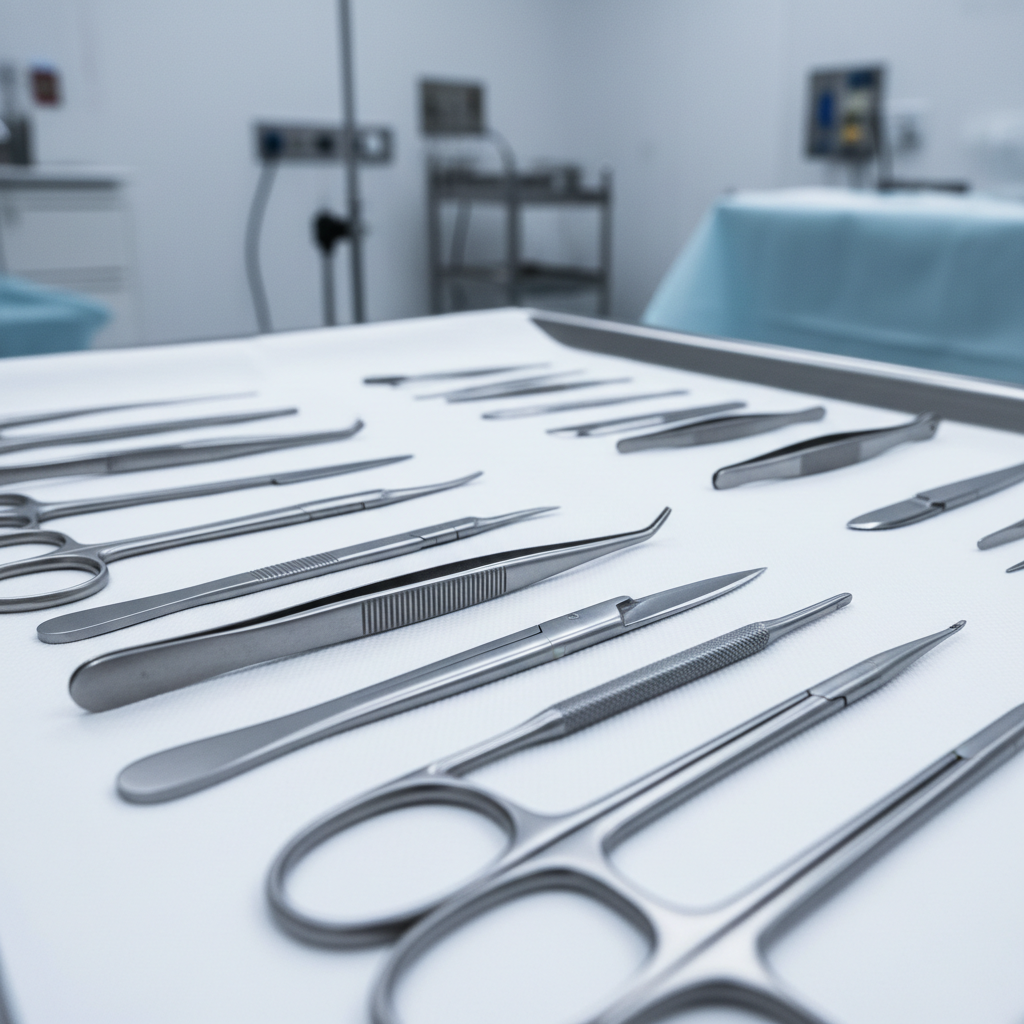
Materials / surfaces / setting
Small details shape daily use.
Bring an exact equipment requirement or the question you are still working through. We can start with the clinical setting and intended use.
Or call Netherlands +31 970 050 33424 / Sweden +46 76 692 49 82