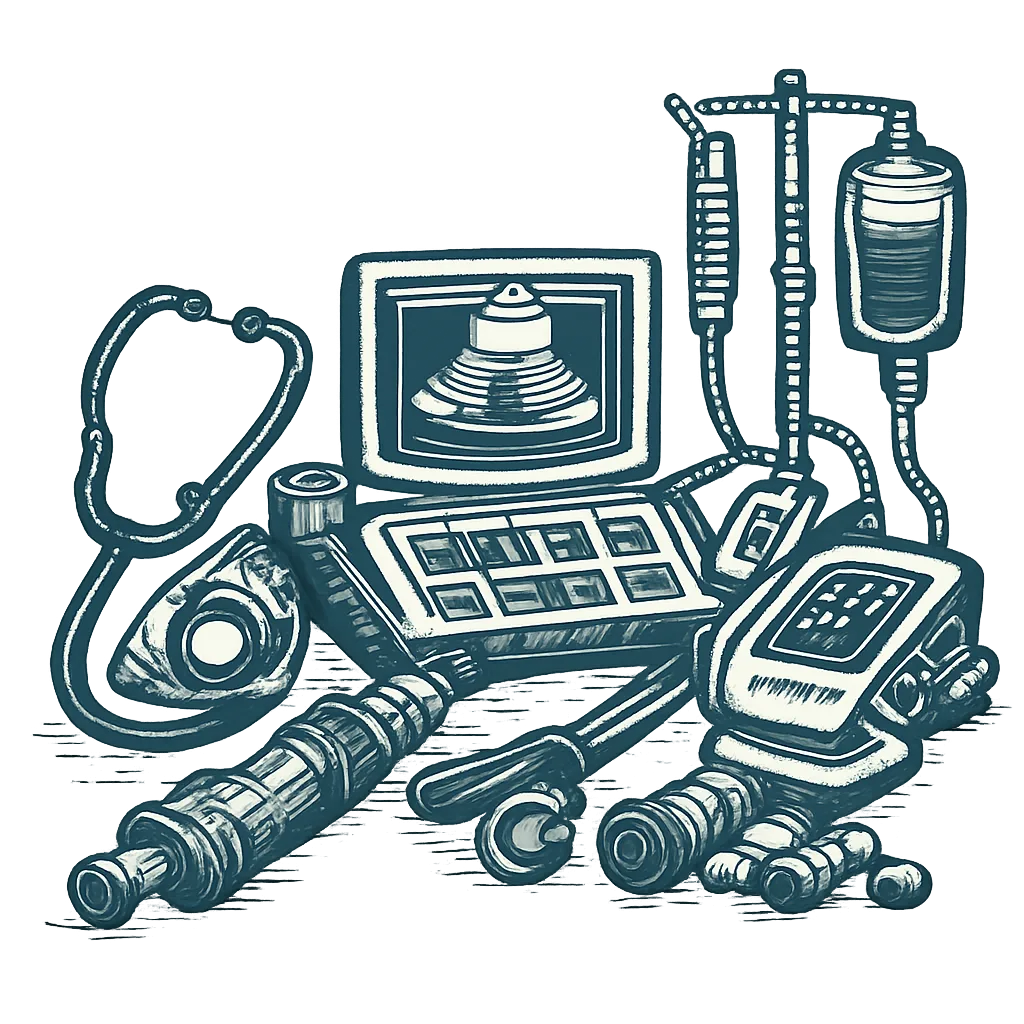
What must it help you do?
An examination tool and an assessment device answer different needs. Intended use is the first line on the equipment brief.
Note / Procedure · function · frequencyFrom an instrument held in the hand to technology used in assessment, the right choice depends on where and how it will be used. Explore the areas we can discuss with your team.
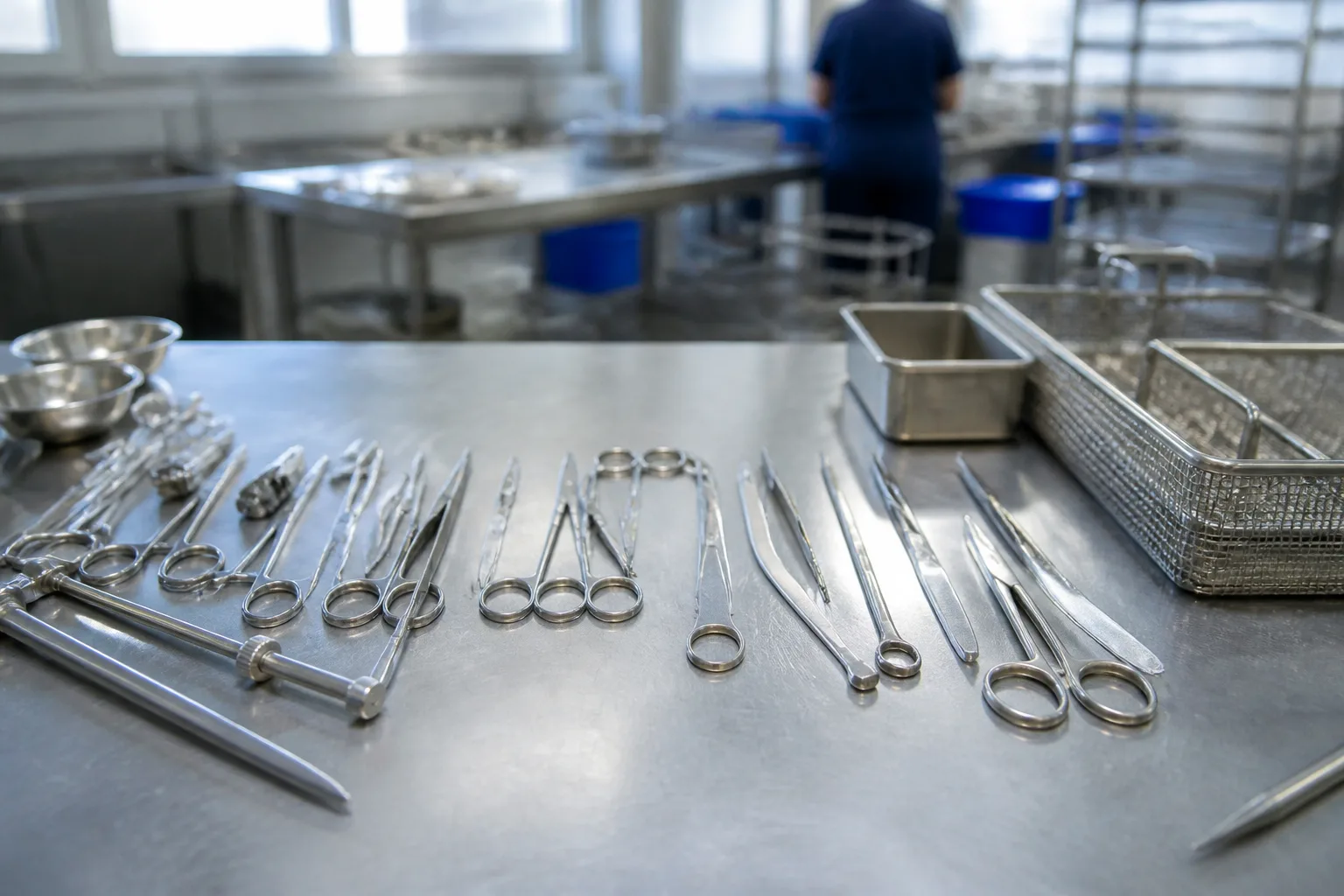
An equipment enquiry begins with its clinical purpose. These categories help frame the conversation; the details come from your team’s setting and workflow.
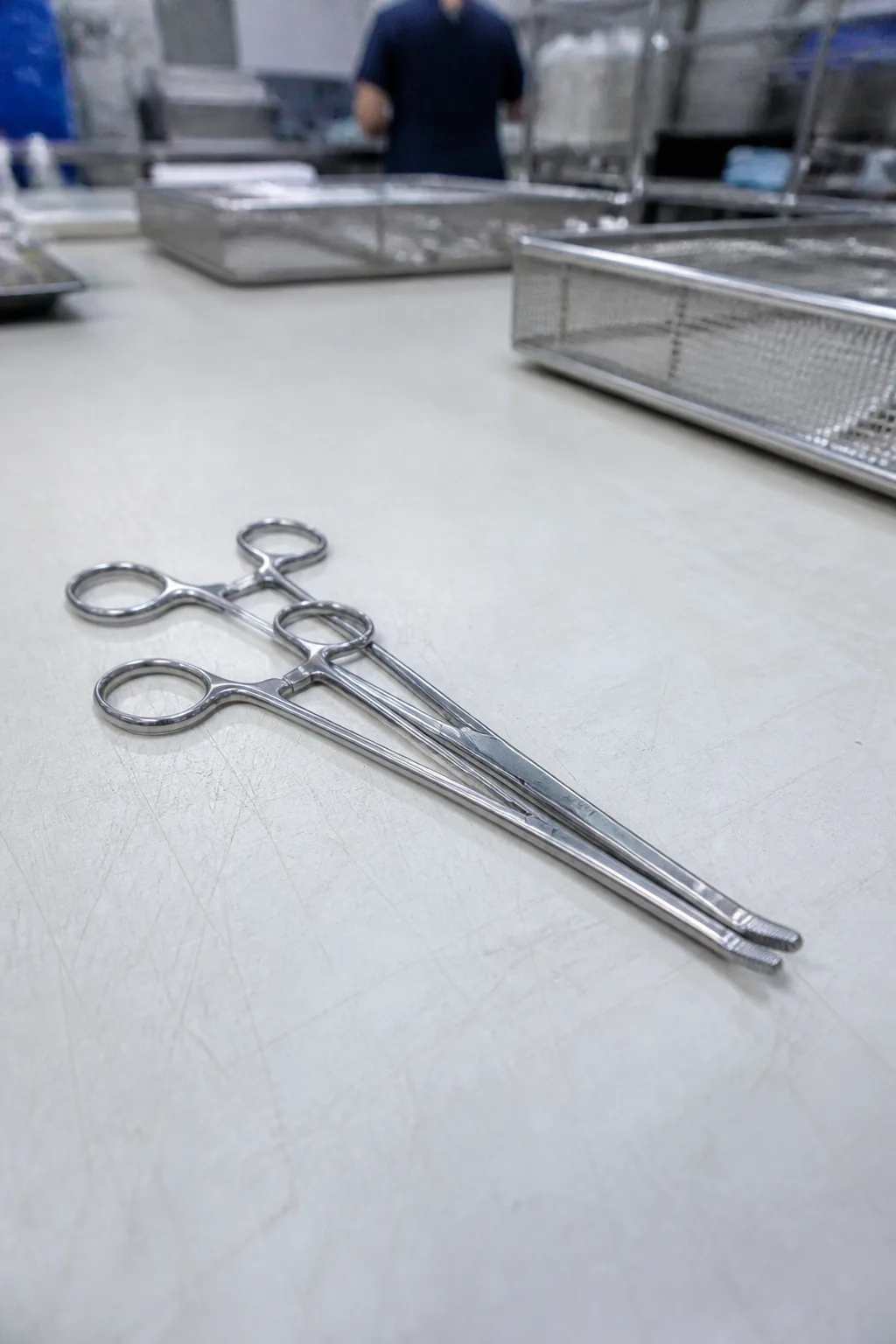
For instruments used repeatedly through the day, tell us about the procedure, handling preferences and cleaning workflow. Those practical details help narrow the discussion to tools that suit the work.
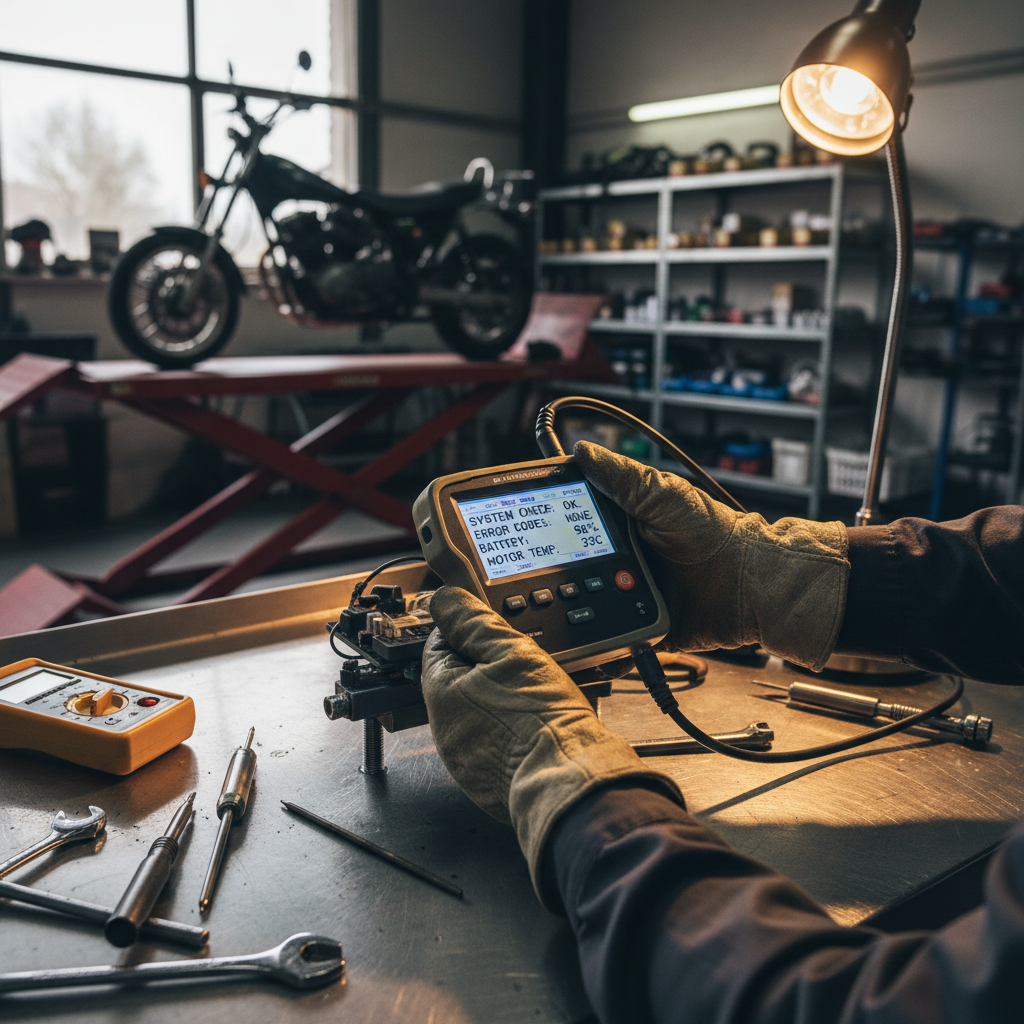
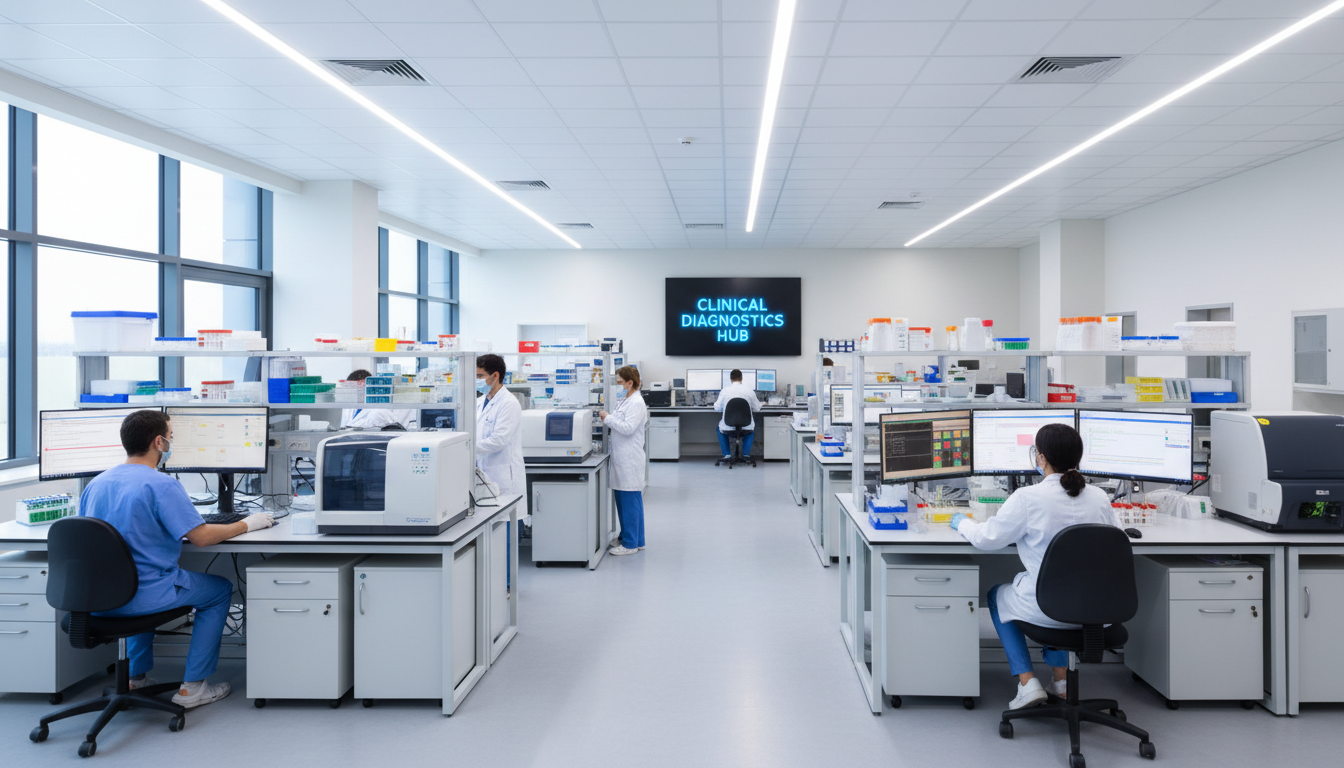
Technology needs to make sense in the room where it is used. We discuss the assessment task, the clinicians using it and how the equipment fits their existing process.
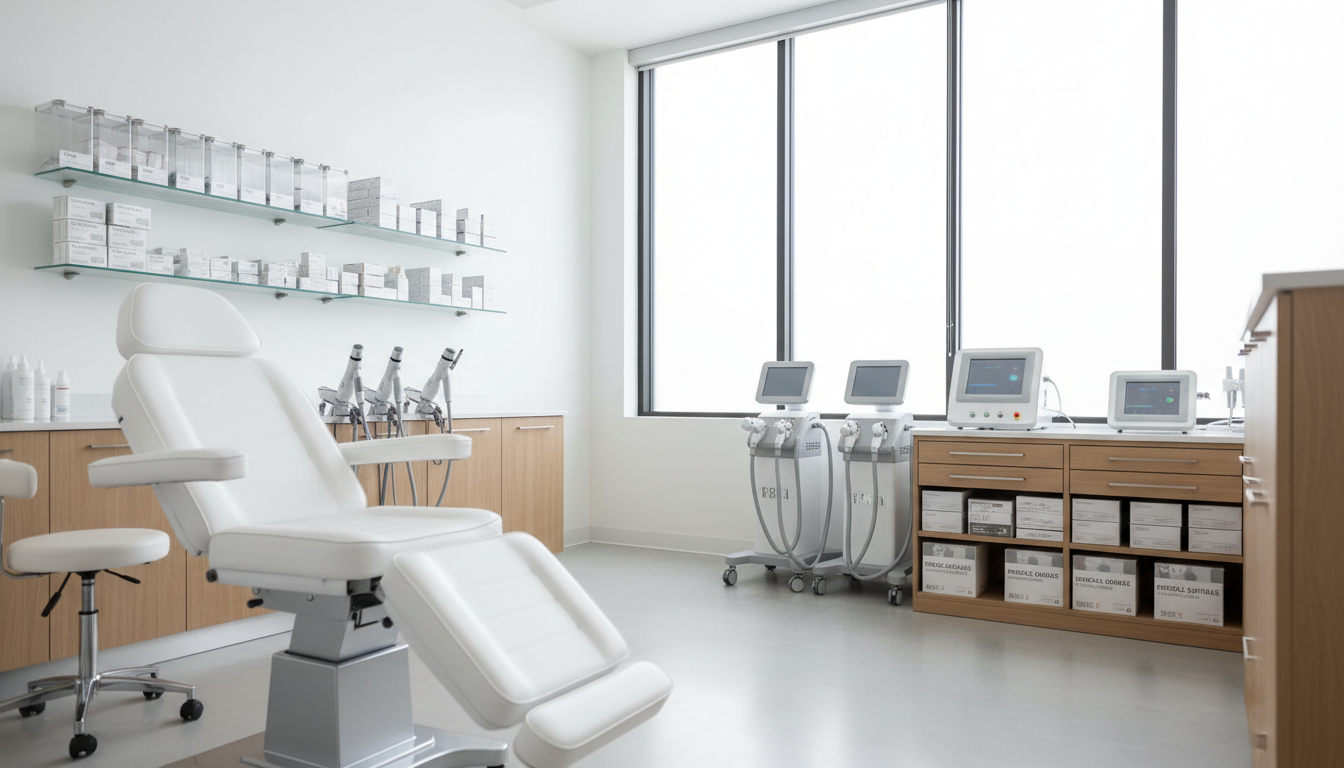
For the equipment that keeps a space ready, we consider where it is stored, how often it is used and how replenishment fits the rhythm of the practice.
Tell us what the equipment needs to do, who will use it and whether you have a particular instrument or technology in mind.
We talk through handling, available space, cleaning routines and other requirements that affect a suitable choice.
With those requirements clear, we can discuss equipment and a route to supply that makes sense for your team.
Small differences in use can change what a team needs. We look beyond the product name to the conditions around it.
 SH / Equipment study
An examination tool and an assessment device answer different needs. Intended use is the first line on the equipment brief.
Note / Procedure · function · frequencyClinician preferences, familiar routines and cleaning processes matter when equipment becomes part of everyday care.
Note / Handling · workflow · cleaningA treatment room, assessment space or supply area each places different demands on size, storage and access.
Have an exact instrument in mind, or still working out what your setting calls for? Share the intended use and the details you already know. We can take the conversation from there.